


Footer ads often stay in the shadow of more flashy formats, yet they quietly do the work many placements struggle with. They don’t jump into the user’s face. They don’t break the reading flow. Instead, they sit at the bottom of the page, steady and visible, like a soft reminder that doesn’t interrupt the moment.
For publishers, this format can feel almost like found money. You keep the user experience clean and satisfy the demand from advertisers who love placements with a high viewability rate. When used wisely, footer ads can turn into a small yet reliable source for extra revenue. Simple, unobtrusive, and surprisingly efficient.

What are footer ads?
Footer ads are ad units that appear at the bottom of the page. They stay visible while the user scrolls, always remaining within their eye’s reach. The format is simple. A clean banner sits in the footer area and smoothly switches from one creative to another. No jumps. No sudden movement. Just a gentle transition that keeps the message visible without interrupting the reader.
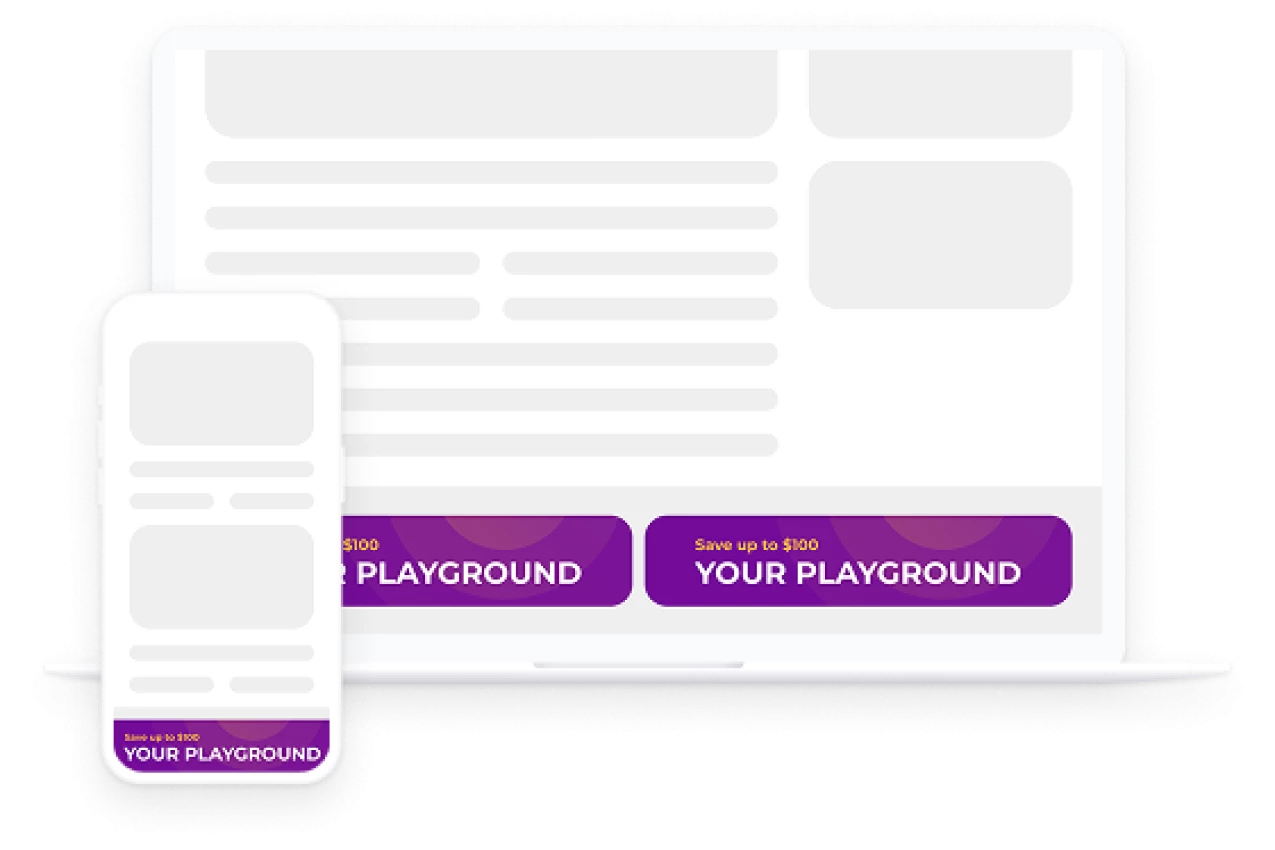
Publishers often like this format because it feels natural on the page. It does not take over the screen or push the content down. It simply lives at the bottom, where users naturally end up while scrolling. This makes footer ads noticeable, yet still respectful of the browsing experience. It is one of those placements that works quietly but consistently, which is why many websites rely on it for stable monetization.
Why footer ads matter for publishers
Footer ads matter because they are placed exactly at the intersection of what publishers need and what advertisers look for. This format is consistently in demand. Many advertisers choose footer ad placements for their campaigns when they aim for visibility and gentle presence rather than aggressive attention-grabbing. They use them for brand awareness, seasonal offers, product highlights and soft reminders that stay on screen while the user keeps reading.
From the publisher’s side, this popularity is a clear advantage. High demand usually means better competition in auctions and more stable fill rates. Footer ads also tend to show strong viewability because users naturally scroll toward the bottom of the page. It’s worth mentioning that formats placed at the bottom of the screen often achieve around seventy to eighty percent viewability. Advertisers like placements that stay visible longer and publishers benefit from higher eCPM.
Another reason this format works is its balance. Advertisers get exposure without annoying the user. The message stays on screen, but it does not cover the content or force interaction. Publishers keep their UX clean and still capture budgets from advertisers who value calm, steady visibility.
This is why footer ads continue to grow in relevance. They attract demand, perform well in viewability-driven campaigns and offer a stable, predictable way for publishers to increase revenue without sacrificing the user experience.

When this format performs best
Footer ads perform best in moments when a user is already engaged with the page. People scroll down naturally, so the ad appears when their attention is calmer and less defensive. It feels like a small note waiting at the end of the story.
This format also works well during high-intent periods. For example, when users read articles, compare products or browse long guides. They stay on the page longer and the footer unit remains within their view.
Seasonal campaigns also benefit from this placement. Holiday offers, sales, limited deals or any soft promotional message often perform better when they are present but not intrusive. Footer ads provide exactly that balance. They stay visible just long enough to register and still feel polite to the user.
Overall, this format shows its strongest results when the audience is already engaged and ready to notice a message without being pushed toward it.
Best practices for placing footer ads
Footer ads may look simple, yet a few small choices from the publisher’s side can noticeably improve how this format performs. Since the unit lives at the bottom of the page, it should feel natural, smooth and respectful to the reader. When the placement is set up with care, it blends into the layout like a quiet detail that still brings steady revenue.
Here are a few practices that help publishers get the most from footer ads:
- Ensure smooth loading on mobile. Clean performance helps users stay focused on the page, while the ad naturally stays in their view.
- Allow space for strong creatives. Advertisers often use footer placements for bold branding or seasonal offers, so giving the unit enough room helps campaigns perform better.
- Test different setups over time. Even small adjustments can lift viewability, CTR and eCPM.
These simple steps help publishers keep their UX clean while unlocking stronger results from a format that quietly performs in the background.
Final thoughts
Footer ads may not be the loudest format on the page, but they work with a consistency that many publishers value. They sit at the bottom, stay visible and bring in steady demand from advertisers who appreciate calm and reliable placements. When set up thoughtfully, this small unit can turn into a stable source of extra revenue without hurting the user experience.
For publishers, it is one of those formats that feels simple yet delivers more than expected. A gentle presence, strong visibility and predictable performance. Sometimes the quietest placements do the most work.
Join SmartyAds SSP today and unlock steady revenue from footer placements.




.webp)